Hot Line Number
Services
Please fill out the form below and we will get back to you as soon as possible.
Appointment
Share your medical concern, and we’ll guide you through every step: medical visa assistance, airport pick-up, language interpretation, specialist matching, consultation planning, treatment support, sightseeing experience and a seamless airport drop-off for your return home.
Hot Line Number
About Us
Global Health Connect is a medical tourism and healthcare coordination company specializing in connecting international patients with leading hospitals and highly experienced doctors across India.
With more than 15 years of experience in the medical tourism industry, we have successfully assisted patients from Iraq, Uzbekistan, Oman, Yemen, and several African countries in accessing advanced medical treatments and personalized healthcare services.
Our mission is to provide safe, transparent, and well-organized medical journeys by offering complete support throughout the treatment process — from medical opinion and hospital coordination to travel, accommodation, translation, and post-treatment follow-up.
We are committed to building trust, ensuring patient comfort, and delivering high-quality healthcare solutions through our strong network of reputed hospitals and specialists in India.
Medical Tourism
We assist international patients with medical visa guidance, invitation letters, and complete documentation support for a smooth travel process.
From airport pickup to local transportation, our team ensures comfortable and hassle-free travel arrangements throughout your stay in India.
We arrange comfortable hotel and guest house accommodations near hospitals to ensure convenience for patients and their attendants.
Consultation
Medical OpinionTreatment
Hospital CoordinationRecovery
Follow-up SupportServices

In today’s time, getting the right medical guidance and trusted healthcare support for health-related concerns...

A second medical opinion helps patients get additional expert evaluation of their diagnosis, treatment plan,...

A service that helps patients book appointments with doctors and specialists in a simple and...

Hospital coordination is a service that helps patients manage their hospital-related processes smoothly, ensuring timely...

Medical reports often contain complex medical terms and technical information that can be difficult to...

Treatment Planning is a personalized healthcare service designed to help patients make informed decisions about...

India has become one of the worlds leading destinations for advanced medical care, offering high-quality...

India has become one of the worlds leading destinations for medical tourism, attracting thousands of...

Accommodation Support is a specialized service designed to help patients and their accompanying family members...

Airport Pick-up and Drop-off is a dedicated transportation service designed to ensure patients and their...

Interpreter and Translation Services are designed to support international patients who face language barriers during...

Video Consultations provide patients with the convenience of connecting with healthcare professionals remotely through secure...
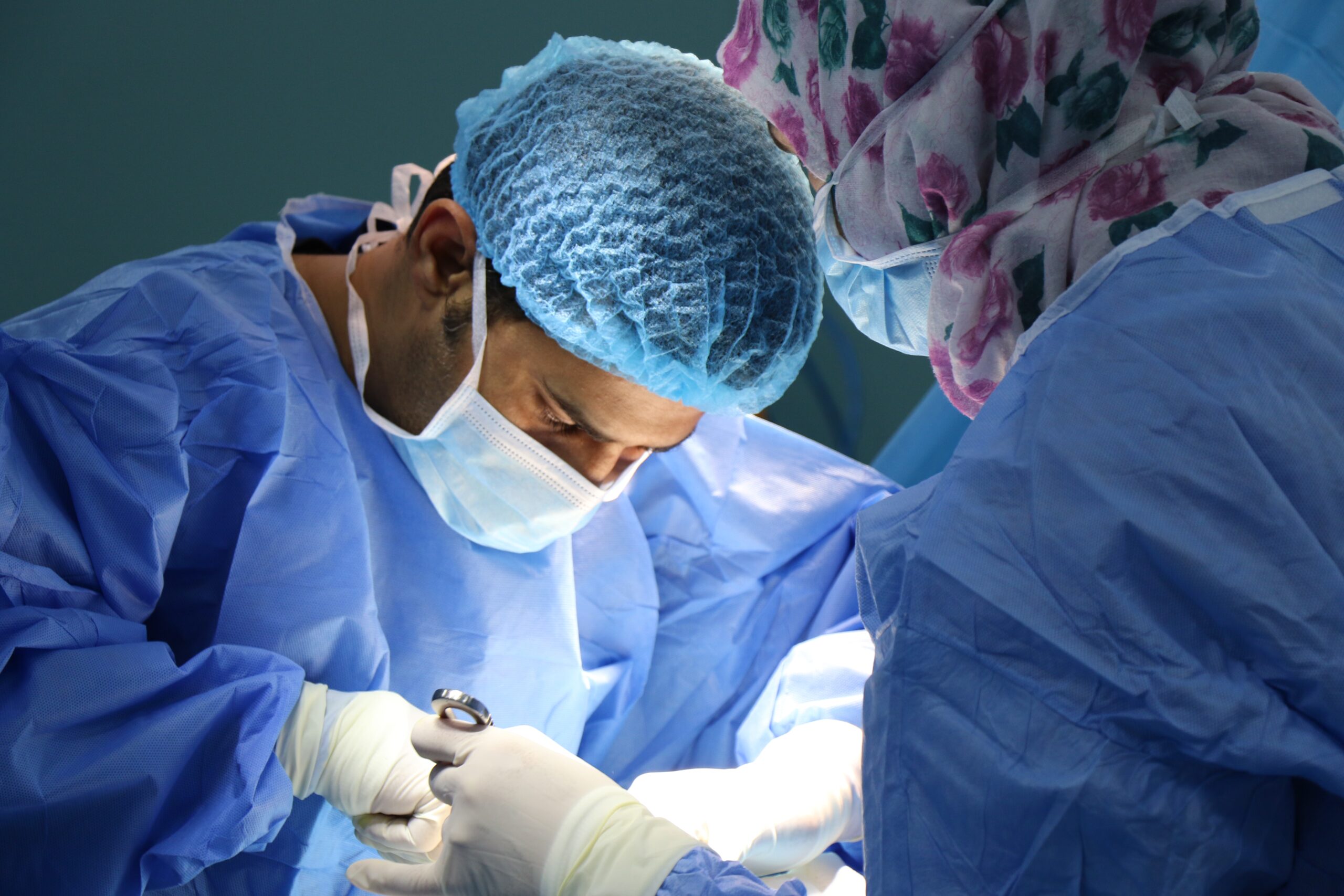
Surgery and Treatment Packages are designed to provide patients with complete, transparent, and well-organized healthcare...

Post-Treatment Follow-up is an essential healthcare service designed to support patients after they have completed...

Rehabilitation Support is a dedicated healthcare service focused on helping patients regain strength, mobility, and...

Health Check-up Packages are comprehensive preventive healthcare services designed to help individuals monitor their overall...
Treatment Services
Global Health Connect helps patients from India and abroad navigate cancer care options and connect with appropriate healthcare providers. We assist with booking appointments, maintaining medical documentation, arranging travel logistics, and managing other practical requirements according to each individual’s needs and the services available.
Cancer includes a group of diseases characterised by abnormal cell growth. It can affect different parts of the body, including the breast, lungs, blood, stomach, skin, bones and reproductive organs. The diagnostic process and treatment plan are determined by the cancer type, stage of progression, medical test findings, and the patient’s overall health condition.
Some cancers may not cause noticeable symptoms in their early stages. Recommended screening depends on factors such as age, medical history, individual risk and applicable clinical guidance.
Symptoms that may require medical evaluation include:
A new lump or unusual swelling.
Unexplained weight loss.
Persistent fatigue without an apparent cause.
Unusual or unexplained bleeding.
Changes in bowel or bladder habits.
A persistent cough or hoarseness.
Difficulty swallowing.
Noticeable changes in the appearance of a mole or skin lesions.
Persistent pain without a clear explanation.
These symptoms can occur for reasons other than cancer and do not, by themselves, establish a diagnosis. A healthcare provider can assess the symptoms and determine whether further diagnostic tests are necessary. Routine check-ups are important, even when no symptoms are apparent.
The first step in evaluating suspected cancer is to examine the patient’s symptoms, review their health history, and identify relevant risk factors. Depending on the suspected condition, the healthcare provider may recommend a physical assessment, laboratory tests, or imaging studies to help identify the cause and guide further investigations.
Investigations may involve X-rays, ultrasound, CT scans, MRI, or PET scans. In some cases, a biopsy is required, where a small tissue sample is collected and analysed to help establish the diagnosis. Additional tests may help establish the cancer type, stage or other characteristics that influence treatment planning.
Not every patient requires every investigation the specialist selects the necessary tests according to the patient's clinical assessment and findings.
Cancer treatment depends on the diagnosis, stage, tumour characteristics, overall health and treatment goals. The care process may include several of the treatment methods described below.
Surgery: Depending on the patient's medical condition, an operation may be advised to excise the tumour or affected tissues.
Chemotherapy: Treats cancer with medicines that target cancer cells and help control their growth.
Radiation Therapy: In this treatment, focused radiation is used to eliminate cancer cells or slow their development. Whether it is recommended depends on where the cancer is located, how far it has progressed, the patient’s health, and the proposed care plan.
Targeted therapy: Certain medications focus on specific molecular changes that help cancer cells grow and survive, making treatment dependent on the presence of suitable targets.
Immunotherapy: Helps the body’s immune defenses recognize and attack cancer cells, with its use determined by the cancer type, diagnosis, and individual treatment plan.
Hormone therapy: This treatment may be recommended for cancers that rely on hormonal signals to grow, including certain breast and prostate cancers.
Stem cell transplantation: This may be suitable for selected blood cancers and other specific conditions.Supportive and Palliative care can be offered together with cancer treatment to help manage symptoms and improve quality of life; it is not meant only for patients nearing the end of life.
Every patient may not require surgery, chemotherapy, or radiation. The treatment plan should be personalized according to the patient’s medical needs, with the treating specialist assessing the available options, expected benefits, and possible risks before making a decision.
Cancer care may involve different specialists depending on the diagnosis and the treatment required. When exploring options for an Oncologist in India, patients can review the specialist’s qualifications, relevant experience and area of expertise. Medical oncologists manage cancer using treatments such as chemotherapy and immunotherapy, while surgical oncologists remove tumours through surgery. Radiation oncologists assess patients and use specialized radiation techniques to treat cancer when clinically appropriate.
The choice of specialist depends on the type of cancer, the patient’s diagnosis, and their specific treatment needs.
Patients should review a specialist's relevant qualifications, registration and experience in the required area of care. They may also ask about the proposed treatment plan, available alternatives, potential side effects and the need for additional specialist consultations.
Global Health Connect helps coordinate enquiries and appointment arrangements with appropriate healthcare providers, depending on their availability. All clinical assessments and treatment plans are determined by licensed healthcare professionals overseeing the patient's medical care.
The cost of cancer treatment in India varies according to the patient’s medical needs and the type of care recommended. Factors such as cancer type and stage, diagnostic procedures, hospital charges, medications, treatment duration, and follow-up appointments can influence the total expenditure. 1. The overall cost of treatment depends on the patient’s condition and the proposed medical approach. Contacting the hospital can help you obtain an estimate based on the recommended care plan.
Other costs may involve specialist consultations, inpatient care, supportive medications, rehabilitation services, transportation, and accommodation during treatment.
International patients should request a personalised estimate from the relevant hospital and clarify what is included, which expenses may arise separately and whether further treatment could be required.
The cost estimate is provided for general guidance and should not be used as a substitute for an individual medical assessment. The treating specialist should recommend the most suitable treatment based on the patient's individual health condition and clinical requirements.
Identifying the specific cancer type and determining how far it has progressed are essential steps in planning individualized care. Decisions are based on factors such as the patient's general health, personal preferences, the type and features of the cancer, and the expected benefits and possible risks of each treatment option.
Some patients receive one primary treatment, while others require a combination of treatments delivered in a particular sequence. Follow-up care helps monitor recovery, assess treatment effects and address new symptoms or concerns.
Treatment response and recovery vary between individuals. No specific outcome or timeline can be guaranteed.
Global Health Connect is a patient assistance and healthcare coordination company, not a hospital.It is not designed to identify cancer or deliver clinical treatments.
Depending on the patient's requirements and available services, assistance may include:
Helping patients identify suitable healthcare facilities and connect with experienced, qualified oncology professionals.
Coordinating consultation and appointment enquiries.
Assisting with organising and sharing medical reports.
Coordinating travel logistics and accommodation needs for individuals travelling to receive medical attention.
Helping patients understand medical visa requirements, prepare the necessary paperwork, and follow the prescribed application process, with final decisions remaining with the relevant authorities.
Helping coordinate follow-up appointments where available.
The availability of specialists, hospital services and appointments must be confirmed with the relevant healthcare provider. All diagnostic assessments and treatment choices should be made by qualified healthcare practitioners responsible for the patient’s medical care.
Contact Global Health Connect to discuss your requirements and receive assistance with coordinating the next steps in your cancer care journey.
1. What factors influence cancer treatment costs in India?
Costs depend on the type and stage of cancer, the recommended treatment, medicines, investigations, hospital charges and duration of care. Patients should request an individualised estimate from the treating hospital.
2. Which oncologist should a patient consult?
Different cancer specialists have different roles in treatment. Medical oncologists use medicines to control cancer, surgical oncologists operate when surgery is indicated, and radiation oncologists use carefully planned radiation to target cancer cells.
3. Does every cancer patient require chemotherapy?
The approach to cancer care is guided by the diagnosis, the extent of disease development, and the patient’s individual health circumstances. Some patients may receive surgery, radiation therapy, targeted therapy, immunotherapy or a combination of approaches.
4. How can international patients arrange cancer care in India?
Patients may gather their relevant health records, book an initial consultation with a medical specialist, enquire about the expected cost of treatment, and make preliminary plans for transportation, accommodation, and the necessary visa formalities. Global Health Connect may assist with coordination, depending on service availability.
5. Can cancer treatment outcomes be guaranteed?
No. Treatment response varies according to the cancer, its characteristics, the therapies used and the patient's overall health. The medical specialist can discuss the possible advantages, associated risks, and limitations of the available treatments, enabling patients to make well-informed decisions about their care.
Advanced cancer diagnosis and screening services.
Chemotherapy and radiation therapy for cancer treatment.
Personalized cancer treatment plans based on individual needs.
Experienced cancer specialists and oncology consultants.
Collaboration with top hospitals and cancer centers.
Compassionate care and emotional patient support.
Our transplant teams coordinate safe and successful liver and kidney transplants. We guide patients through evaluation, surgery, and post-transplant follow-up, providing world-class care and personalized attention throughout the journey.
Comprehensive evaluation for transplant candidates.
Safe and successful liver and kidney transplant procedures.
Post-transplant follow-up and ongoing care.
World-class care with personalized attention.
Modern diagnostic and lab facilities.
Friendly and helpful transplant support staff.
We offer advanced cardiac procedures, including bypass surgery, valve replacement, and angioplasty. Our cardiologists and cardiac surgeons deliver precise treatment, state-of-the-art technology, and complete support for recovery and heart health.
Advanced cardiac procedures: bypass, valve replacement, angioplasty.
Precise treatment by experienced cardiologists and surgeons.
Comprehensive support for recovery and heart health.
State-of-the-art technology and facilities.
Modern diagnostic and lab facilities.
Friendly and helpful staff for patient care.
Global Health Connect helps patients from India and abroad connect with appropriate orthopedic specialists and hospitals. We assist with appointment coordination, medical documentation, travel arrangements and follow-up planning, depending on individual requirements.
Orthopedics focuses on conditions affecting the bones, joints, muscles, ligaments and tendons. These conditions may result from arthritis, injuries, age-related changes or other musculoskeletal disorders. The treatment plan depends on the affected joint, the severity of the condition and how it affects daily movement. Options may include medication, physiotherapy, guided rehabilitation or a surgical procedure when clinically appropriate.
Joint replacement surgery replaces worn or damaged parts of a joint with artificial components designed to support movement. Joint replacement may be discussed when cartilage loss or other substantial joint damage leads to ongoing pain, stiffness or difficulty with activities such as walking, climbing stairs or getting up from a chair.
The specialist considers the patient's symptoms, medical history, examination findings and response to previous treatment when deciding on the next steps.
Orthopedic care is planned around the affected joint, the underlying diagnosis and the person's mobility needs. Based on the specialist's findings, possible treatment approaches may include:
Knee replacement: Considered for advanced knee joint damage that causes persistent pain and makes walking, climbing stairs or other routine movements difficult.
Hip replacement: May be an option when conditions such as advanced arthritis cause substantial hip pain, stiffness and difficulty with weight-bearing activities.
Shoulder replacement: May be considered when significant damage to the shoulder joint causes ongoing discomfort and restricts movements such as raising the arm or reaching above the head.
Revision joint replacement: Addresses problems affecting an existing joint implant, such as loosening or wear.
Arthroscopy: A procedure that uses a small camera and specialised surgical tools inserted through small incisions to inspect or manage certain joint conditions. The appropriate procedure is selected based on the diagnosed joint problem, the nature of the injury and the specialist’s assessment.
Fracture treatment: May involve casting, splinting or surgical fixation, depending on the injury.
Ligament reconstruction: May be considered for selected injuries causing persistent joint instability.
Spine treatment: May include non-surgical management or surgery, depending on the underlying condition.
Rehabilitation: Physiotherapy and guided exercises may help improve strength and mobility.
Post-Surgical Follow-Up: For patients undergoing knee replacement in India, follow-up appointments help the treating team assess recovery, monitor joint function and provide guidance on activity levels and rehabilitation. The follow-up schedule depends on the procedure and each patient's recovery progress.
Treatment planning generally begins with a review of symptoms, medical history and physical examination findings. The assessment may involve a physical examination and a review of symptoms, previous treatment and medical history. Depending on the suspected condition, the specialist may request X-rays, MRI, CT imaging or laboratory tests.
Once the findings are reviewed, the treating specialist can explain the available options, expected recovery process, possible complications and rehabilitation needs. Surgical decisions should be guided by the patient's general health, assessment results and preferences after discussing the available options with the treating specialist.
Knee replacement may be discussed when advanced arthritis or other significant knee damage results in persistent pain and interferes with routine activities. The orthopedic specialist reviews imaging, the extent of joint damage, medical history and previous non-surgical treatment before considering whether partial or total knee replacement is suitable.For patients considering Knee replacement in India, the treatment plan and associated costs should be discussed with the treating hospital before making arrangements.
Recovery varies between patients. The treating team provides guidance on wound care, medication, mobility and activity restrictions. Rehabilitation may include structured exercises to strengthen surrounding muscles, preserve joint mobility and improve the ability to perform everyday movements. Follow-up visits allow the treating team to review recovery, assess mobility and address issues that arise during rehabilitation.
For Iraqi patients planning treatment abroad, preparation may involve sharing medical reports, arranging specialist consultations and confirming hospital appointments before travel. Global Health Connect can help coordinate information about orthopedic surgery in India for Iraqis patients, including estimated treatment expenses, hospital arrangements and applicable medical travel and visa requirements Patients should discuss the recommended care plan and anticipated costs with the treating hospital before proceeding.
Treatment recommendations and cost estimates should be confirmed with the relevant healthcare provider before travel.
Depending on the diagnosis and treatment selected, orthopedic care may help manage pain, improve joint function and support everyday mobility. Outcomes vary according to the condition, overall health and rehabilitation progress. No particular result can be guaranteed.
An orthopedic assessment may be appropriate if joint pain, swelling or stiffness persists or begins to interfere with walking, work, sleep or routine tasks Medical evaluation may be necessary if symptoms continue after a joint injury, weight-bearing becomes difficult or restricted movement does not improve with initial treatment. Severe or sudden pain, particularly after an injury, may need prompt medical evaluation. An obvious change in the shape of a limb or an inability to put weight on it after an injury should be assessed urgently by a medical professional.
Sudden severe pain following an injury, an obvious deformity, an open fracture or a hot, swollen joint accompanied by fever requires urgent medical evaluation.
Global Health Connect helps patients navigate healthcare options and coordinate practical arrangements for seeking treatment Available coordination services may vary according to each patient's needs and the support offered. These may cover:
Coordinating appointments and medical documentation.
Arranging travel and accommodation support.
Providing guidance on medical visa documentation, subject to applicable requirements.
Assisting with follow-up appointment coordination where available.
Global Health Connect does not diagnose medical conditions or perform surgical procedures. All clinical assessments, treatment decisions and medical procedures are the responsibility of the treating healthcare professionals and hospitals. The appropriate treatment plan is determined after individual evaluation and discussion with the patient.
Contact Global Health Connect to discuss your requirements and receive assistance with coordinating the next steps in your healthcare journey.
1. Which conditions may require orthopedic care?
Orthopedic specialists deal with injuries and medical conditions that affect mobility and the musculoskeletal system. These include joint disorders, bone injuries, tendon problems and ligament damage. The appropriate approach is selected after evaluating the condition, its severity and the patient's individual treatment needs.
2. What factors help determine whether joint replacement is appropriate?
The orthopedic specialist reviews the degree of joint damage, pain severity, limitations in movement, imaging findings and the response to previous treatment. These factors help guide a discussion about joint replacement and other possible treatment approaches.
3. How can patients understand the expected cost of treatment?
The hospital's estimate should outline the expected charges for the recommended procedure and related care. Patients can ask the hospital to explain any additional expenses, such as diagnostic tests, implants, accommodation during admission and rehabilitation.
4. What should patients from other countries prepare before travelling to India for orthopedic care?
Patients travelling from another country should prepare relevant medical records, arrange specialist consultations and review travel and accommodation requirements. It is also important to discuss the proposed treatment, estimated expenses, hospital stay and follow-up arrangements with the treating provider before travelling.
5. How can I consult Global Health Connect for orthopedic treatment in India?
You can visit Global Health Connect to enquire about orthopedic treatment coordination in India. Share your medical requirements and relevant reports to ask about the available assistance, consultation arrangements and next steps. Clinical advice and treatment decisions are provided by the respective healthcare professionals.
Hip and knee replacement by orthopedic specialists.
Trauma care and rehabilitation to support mobility and recovery.
Personalized treatment plans to manage pain and improve daily function.
Orthopedic care based on clinical assessment.
Specialist appointments and medical travel assistance.
Guidance on hip replacement costs and treatment expenses.
From neurological consultations to advanced spine and brain surgeries, our specialists handle conditions such as stroke, epilepsy, and spinal disorders. We combine modern technology with precision for effective treatment and rehabilitation.
Neurological consultations for stroke, epilepsy, and other disorders.
Advanced spine and brain surgeries with precision care.
Personalized rehabilitation programs for optimal recovery.
State-of-the-art diagnostic and lab facilities.
Friendly and helpful staff supporting patient care.
Clean, safe, and well-equipped treatment environment.
Having a child means something different to every person, and that's something Global Health Connect keeps in mind. Some people conceive without any trouble. Others need a bit of extra help through IVF or similar fertility treatments. That's where we come in, helping you find the Best IVF Treatment Hospital in Delhi, India, and putting you in front of specialists who actually listen before offering advice.
What IVF Actually Means
IVF, or In Vitro Fertilisation, is one of the most common fertility treatments people turn to today. The process brings an egg and sperm together outside the body, in a lab setting, to form an embryo. Once that embryo develops properly, it's placed back into the uterus, giving pregnancy a natural chance to take hold from there.
When IVF Might Be the Right Call
There isn't one single reason couples end up considering IVF, every situation is a bit different. Some of the common reasons doctors bring it up include:
Fallopian tubes that are blocked or damaged
Low sperm count or weak sperm movement
Irregular ovulation or cycle issues
Endometriosis
Infertility with no identifiable cause
Fertility naturally declining with age
Previous attempts at IUI that didn't succeed
Genetic factors that need embryo screening beforehand
If any of this feels close to home, a good specialist at an IVF Treatment Hospital in Delhi can help you figure out where you stand, without adding to the stress or confusion.
How the IVF Process Works
IVF doesn't happen overnight, it's spread across several weeks, with your doctor checking in on you at every stage along the way.
1. First Meeting
It kicks off with a simple conversation, your specialist wants to know your history, hears out what's worrying you, and tells you what's coming.
2. Getting Tested
Before treatment starts, both partners go through a round of tests, bloodwork, hormone levels, scans for the woman, and a semen check for the man. These results help the doctor build a plan suited to your case.
3. Stimulating the Ovaries
Over about ten to twelve days, the woman takes hormone medication so the ovaries can develop more than one egg at a time. Scans and blood tests are used to follow how things are going.
4. Collecting the Eggs
Once the eggs are mature, a short procedure retrieves them while the woman is under sedation. Discomfort is minimal, and the whole thing usually wraps up in under thirty minutes.
5. Getting the Sperm Sample
The male partner gives a sample on the same day the eggs are collected. If sperm quality is something to watch, the lab sorts out the healthiest ones for use.
6. Bringing Them Together
Inside the lab, the egg meets the sperm, sometimes fertilising on its own, sometimes with a bit of help through ICSI, where one sperm is directly injected into the egg.
7. Watching the Embryos Grow
After fertilisation, it's mostly a waiting period. Someone from the lab checks on the embryos daily, and by the time a few days pass, only the strongest ones make the cut for transfer.
8. Placing the Embryo
Getting the embryo into the uterus is fairly simple in practice. A thin tube does the job, there's little to no pain, and no anaesthesia comes into play.
9. Checking for Pregnancy
About two weeks later, a blood test shows whether the pregnancy has taken. From there, your doctor talks you through what comes next.
How well IVF works for you comes down to age, overall health, and what's actually causing the fertility issue
No two treatment cycles look the same, there's no single approach that works for every couple
Bloating and mood swings during hormone treatment are pretty common, nothing to panic about
Needing a second or third cycle happens more than people think, and it doesn't mean anything's gone wrong
Having someone to talk to during treatment matters just as much as the medical side of things
A hospital worth trusting will always be upfront with you, not make promises it can't keep
Other Treatment Options
IVF is not the choice. Depending on your case your specialist may suggest IUI, a method using prepared sperm, ICSI for sperm issues, donor eggs or sperm if needed frozen embryo transfer from a previous cycle or fertility preservation for those wishing to delay parenthood. Your doctor will review your reports. Recommend the best fit for your body and goals.
How We Help
Choosing the hospital can be difficult especially when you travel from another city or country. Global Health Connect takes care of the legwork, finding you the right IVF Treatment Hospital in Delhi , setting up your appointments with specialists who know what they're doing, sorting hospital paperwork, and helping with travel and stay too. Through our network of trusted IVF Treatment Hospitals in India, you end up with good doctors, proper labs, and a plan that actually fits you, plus support that doesn't just stop after your first visit.
Ready to start? Get in touch with Global Health Connect, we'll help you figure out the right path from here.
IVF, IUI, egg/sperm donation, and surrogacy services.
Personalized treatment plans tailored to each couple.
Emotional support and counseling throughout the process.
Modern diagnostic and lab facilities for fertility assessment.
Friendly and helpful staff ensuring patient comfort.
Clean, safe, and well-equipped treatment environment.
We provide comprehensive eye care, including cataract surgery, LASIK, glaucoma, and retina treatments. Our ophthalmologists use advanced technology to ensure precise diagnosis, effective treatment, and improved vision health.
Cataract surgery, LASIK, glaucoma, and retina treatments.
Precise diagnosis using advanced ophthalmic technology.
Effective treatment plans to improve vision health.
Modern diagnostic and lab facilities for accurate evaluation.
Friendly and helpful staff supporting patient care.
Clean, safe, and well-equipped treatment environment.
ENT, also known as otolaryngology, is the medical specialty concerned with disorders of the ears, nose, sinuses, throat, larynx and related structures of the head and neck. These conditions may affect hearing, balance, breathing, swallowing, speech and voice. Depending on the underlying problem, patients may require medication, diagnostic investigations, hearing support, rehabilitation or surgical evaluation.
ENT care involves assessing symptoms, identifying their possible causes and determining an appropriate management plan. The choice of treatment depends on the patient's medical history, examination findings, diagnostic results, age and overall health.
The management of ear, nose and throat disorders involves clinical evaluation, diagnostic investigations and treatment based on the underlying condition. ENT treatment in India may include medication, hearing rehabilitation, endoscopic procedures or surgery, depending on the patient's diagnosis and clinical findings.
ENT specialists evaluate a wide range of conditions affecting the ear, nose and throat.
Ear conditions: These include hearing loss, recurrent ear infections, tinnitus (ringing or buzzing in the ears), earwax impaction, eardrum perforation and disorders affecting balance. Some conditions can be managed medically, while others may require hearing devices, further investigations or surgery.
Nasal and sinus conditions: Common problems include allergic rhinitis, chronic sinusitis, nasal polyps, a deviated nasal septum and persistent nasal obstruction. Assessment may involve examining the nasal passages and reviewing symptoms to determine whether medication, additional investigations or a procedure should be considered.
Throat and voice conditions: ENT specialists assess tonsillitis, adenoid enlargement, hoarseness, vocal cord disorders, swallowing difficulties and certain sleep-related breathing problems. Persistent symptoms may require examination of the throat and larynx to identify the underlying cause.
Head and neck conditions: ENT evaluation may also include selected salivary gland disorders, neck lumps and other conditions involving structures of the head and neck. The choice of diagnostic tests varies according to the patient's symptoms and examination results.
Diagnosis begins with a review of symptoms, medical history and previous treatment. A physical examination may include inspection of the ears, nose, oral cavity and throat.
Depending on the suspected condition, an ENT specialist may recommend:
Audiometry: Hearing tests that assess the ability to detect sounds at different frequencies and volumes.
Tympanometry: An investigation of eardrum movement and middle-ear function.
Nasal endoscopy: Examination of the nasal passages and related structures using a specialised instrument.
Laryngoscopy: Visual assessment of the larynx and vocal cords when clinically indicated.
Imaging investigations: CT or MRI scans may be considered for selected conditions.
Laboratory tests or tissue sampling: These may be advised when additional information is needed to evaluate a suspected disorder.
Not every patient requires all these investigations. The treating specialist determines which tests are relevant to the clinical presentation.
ENT management varies according to the diagnosis, severity of symptoms and response to previous treatment. Medical options may include prescribed medicines, allergy management, treatment of infections when indicated, hearing rehabilitation and follow-up monitoring.
When conservative management is insufficient or an anatomical problem requires intervention, a specialist may discuss an appropriate procedure.
Examples of ENT procedures include:
Tympanoplasty: Surgery to repair a perforated eardrum in selected patients.
Myringotomy and ear tube placement: Procedures that may be considered for certain middle-ear conditions.
Septoplasty: Surgery to correct a deviated nasal septum when clinically indicated.
Endoscopic sinus surgery: A procedure used for selected nasal and sinus disorders.
Tonsillectomy and adenoidectomy: Surgical removal of the tonsils or adenoids when appropriate.
Laryngeal procedures: Interventions used to evaluate or manage selected voice and airway disorders.
The potential benefits, limitations, risks and alternatives should be discussed with the treating specialist before a procedure is planned.
When medication or other non-surgical measures are insufficient for certain conditions, a specialist may consider surgical intervention. The type of ENT surgery in India depends on the affected structure, the severity of the condition, diagnostic findings and the patient's overall health.
The type of procedure, anaesthesia requirements, expected recovery period and follow-up schedule vary according to the patient's condition and the intervention being considered. Patients should also discuss possible complications, postoperative care and any restrictions during recovery.
The facilities available at ENT hospitals in India may include specialist consultations, hearing assessments, nasal endoscopy, diagnostic imaging and surgical care. Patients should review the relevant clinical services, the treating specialist's qualifications and the arrangements for postoperative monitoring before selecting a healthcare provider.
Cochlear implants are electronic devices used for selected individuals with significant sensorineural hearing loss when conventional hearing aids provide limited benefit. Unlike hearing aids, which amplify sound, cochlear implants convert sound into electrical signals that stimulate the auditory nerve.
For individuals with significant sensorineural hearing loss who receive limited benefit from conventional hearing aids, cochlear implant surgery in India may be considered after a detailed assessment. The evaluation generally includes hearing tests, examination of the inner ear and auditory pathway, and consideration of the patient's communication needs and suitability for auditory rehabilitation.
The decision to proceed with implantation is individualised. Surgery is only one part of the process: device activation, programming, auditory rehabilitation and continued follow-up are also important considerations. The extent of benefit varies between individuals and cannot be guaranteed.
Global Health Connect can serve as a coordination point for international patients exploring ENT care in India. Depending on the patient's requirements and the services available, assistance may include:
Helping patients identify relevant ENT treatment options for further discussion with healthcare providers.
Coordinating appointment enquiries with selected hospitals or specialists.
Helping organise medical reports, previous investigations and other information required for an initial review.
Providing information about the consultation process and helping patients understand the proposed treatment pathway.
Assisting with practical medical-travel planning, including accommodation or local arrangements where available.
Helping patients clarify questions about follow-up appointments and postoperative care before travelling.
Patients should confirm the availability and scope of each service directly with Global Health Connect and the treating hospital. Clinical decisions, treatment recommendations and medical advice remain the responsibility of qualified healthcare professionals.
ENT specialists evaluate conditions affecting the ears, nose, sinuses, throat, larynx and selected structures of the head and neck. These include hearing disorders, sinusitis, nasal obstruction, tonsil problems, voice disorders and certain balance-related conditions.
Treatment is based on the patient's symptoms, medical history, physical examination and relevant diagnostic findings. Depending on the condition, management may involve medication, hearing support, rehabilitation, monitoring or surgery.
Patients should review the proposed procedure, the treating specialist's qualifications, potential risks, recovery requirements, expected length of stay and follow-up arrangements. Relevant medical reports should be shared with the treating team for assessment before travel whenever possible.
No. Suitability depends on the type and degree of hearing loss, hearing-aid benefit, assessment results and individual clinical factors. An appropriate specialist team evaluates candidacy and explains the need for device programming, rehabilitation and continued follow-up.
International patients can visit the official Global Health Connect website and use its contact or enquiry section to discuss their ENT care requirements. Patients may share relevant medical reports and explain the type of consultation or treatment they are exploring. Global Health Connect can clarify the coordination support available and the next steps for contacting an appropriate healthcare provider.
Evaluation and management of ear, nose and throat conditions.
Diagnostic tests for hearing loss, sinus disorders and throat problems.
Medical and surgical options based on individual clinical findings.
ENT surgical procedures for selected ear, nasal and throat conditions.
Cochlear implant assessment, surgery and hearing rehabilitation.
Coordination support for international patients seeking ENT care in India.
We offer cosmetic procedures, dental implants, veneers, teeth whitening, and reconstructive surgeries. Our experienced specialists ensure natural results, safety, and comfort for every patient.
Cosmetic procedures, dental implants, veneers, and teeth whitening.
Reconstructive surgeries with safety and comfort in mind.
Personalized treatment plans for natural results.
Modern diagnostic and lab facilities for accurate evaluation.
Friendly and helpful staff ensuring patient comfort.
Clean, safe, and well-equipped treatment environment.
Our labs provide advanced genetic and molecular testing for early detection, disease prevention, and personalized treatment planning. Reports are internationally recognized, ensuring accuracy and reliability.
Advanced genetic and molecular testing for early detection and personalized care.
Internationally recognized reports ensuring accuracy and reliability.
Personalized treatment planning based on precise test results.
Modern diagnostic and lab facilities for accurate evaluations.
Friendly and helpful staff to guide patients through testing.
Clean and safe environment for all lab procedures.
We connect international patients with leading cardiology hospitals and experienced heart specialists in India for advanced cardiac care and treatment.
Advanced heart surgeries and minimally invasive cardiac procedures.
Highly experienced cardiologists and cardiac surgeons.
Comprehensive treatment for angioplasty, bypass surgery, and valve replacement.
Advanced cardiac diagnostics and monitoring facilities.
Personalized treatment planning and post-treatment care support.
Dedicated international patient assistance and coordination services.
We provide complete support for kidney, liver, and other organ transplant treatments through leading transplant hospitals and experienced specialists in India.
Advanced kidney and liver transplant procedures.
Highly experienced transplant surgeons and specialists.
Comprehensive pre-transplant evaluation and consultation.
Advanced ICU and post-transplant care facilities.
Personalized recovery and follow-up support.
Dedicated international patient coordination services.
Our eye care services connect patients with top ophthalmologists and advanced eye hospitals for vision correction and specialized treatments.
Advanced cataract and LASIK eye surgeries.
Specialized treatment for retinal and corneal disorders.
Modern diagnostic and laser eye care technology.
Experienced eye specialists and surgeons.
Comprehensive vision testing and eye evaluations.
Comfortable and patient-friendly treatment environment.
We provide advanced dental treatments and cosmetic dentistry solutions through experienced dentists and modern dental clinics in India.
Dental implants, crowns, and smile makeover treatments.
Advanced cosmetic and restorative dentistry services.
Experienced dental surgeons and specialists.
Modern dental equipment and painless procedures.
Affordable dental care with international standards.
Personalized treatment and aftercare support.
Our fertility services provide compassionate care and advanced reproductive treatments through leading IVF centers and fertility specialists.
Advanced IVF, ICSI, and fertility treatment solutions.
Experienced fertility specialists and embryologists.
Personalized fertility evaluations and treatment plans.
Modern fertility labs and reproductive technology.
Confidential and compassionate patient care.
Dedicated support for international fertility patients.
Rehabilitation is an important part of healthcare that focuses on helping individuals manage physical, cognitive, communication and functional difficulties associated with illness, injury, surgery or disability. It involves structured therapeutic interventions designed around a person's medical condition, functional abilities and individual needs. Depending on the situation, rehabilitation may include physiotherapy, occupational therapy, speech and language therapy, mobility training and other specialised services.
Patients may consider rehabilitation at different stages of their healthcare journey, including after a major illness, neurological event, traumatic injury or surgical procedure. Access to appropriate rehabilitation services in India allows patients to explore different therapeutic approaches based on their clinical requirements.
Rehabilitation treatment is a coordinated process that addresses difficulties affecting movement, independence and everyday activities. Its primary focus is to help individuals work towards realistic functional goals while managing limitations associated with their health conditions.
The treatment approach varies according to the patient's diagnosis, medical history and physical capabilities. Some individuals may require support with walking, balance and muscle strength, while others may need assistance with communication, coordination or performing routine activities.
Treatment planning begins with an understanding of the patient's medical history, physical abilities and specific care requirements. Rehabilitation treatment in India covers different therapeutic disciplines, with treatment plans based on individual health conditions and rehabilitation goals.
Rehabilitation may form part of the care pathway for individuals experiencing functional limitations due to various medical conditions. The type of rehabilitation depends on the underlying condition and the treating specialist's assessment.
Some conditions that may require rehabilitation include:
Neurological conditions: Stroke, spinal cord injuries, brain injuries and certain neurological disorders that affect movement, coordination or communication.
Orthopaedic conditions: Fractures, joint disorders, musculoskeletal injuries and conditions affecting mobility.
Post-surgical recovery: Certain procedures involving the spine, joints, bones and other body systems may require rehabilitation as part of recovery care.
Cardiopulmonary conditions: Selected heart and respiratory conditions where supervised rehabilitation may be recommended.
Traumatic injuries: Injuries that affect physical movement, balance or the ability to perform daily activities.
Long-term disabilities: Conditions that create ongoing difficulties with mobility, communication or independent functioning.
The need for rehabilitation and the appropriate therapeutic approach are determined through individual clinical evaluation.
Rehabilitation includes several specialised therapies. Depending on the patient's condition, one or more of these approaches may be incorporated into a treatment plan.
Physical rehabilitation focuses on movement, flexibility, muscle strength, balance and physical functioning. It may include guided exercises, mobility training and other therapeutic activities based on the patient's abilities and clinical requirements.
Neurological rehabilitation is intended for individuals experiencing functional difficulties associated with conditions affecting the brain, spinal cord or nervous system. Therapy may address movement, coordination, balance, communication and activities of daily living.
Occupational therapy focuses on helping individuals manage everyday activities such as dressing, bathing, eating and other routine tasks. It may involve functional exercises, activity modification and guidance on using assistive equipment.
Speech and language therapy addresses difficulties related to speech, language, communication and swallowing. It may be considered for individuals with certain neurological conditions, brain injuries or other relevant medical conditions.
This form of rehabilitation is designed for selected individuals with cardiac or respiratory conditions. Depending on clinical suitability, it may include supervised physical activity, breathing exercises and education related to managing daily activities.
Before beginning rehabilitation, patients generally undergo an assessment to identify their functional limitations and therapeutic requirements. This process may include reviewing medical history, understanding the underlying diagnosis, evaluating physical abilities and identifying difficulties with everyday activities.
Based on the findings, healthcare professionals may develop an individualised rehabilitation plan. The plan can include specific therapeutic activities, exercise schedules and functional training, with adjustments made according to the patient's progress and clinical needs.
After certain surgical procedures, patients require guidance to regain mobility and manage difficulties with everyday activities. Depending on the surgery, post-surgery rehabilitation services in India cover supervised exercises, movement training, flexibility work and activities focused on physical functioning.
For example, patients recovering from joint replacement, spinal surgery or certain orthopaedic procedures may require supervised rehabilitation. The timing, intensity and duration of therapy depend on the surgical procedure, medical condition and recommendations of the treating specialist.
Choosing a rehabilitation facility involves considering its therapy services, healthcare professionals and available equipment. Physiotherapy Rehabilitation Hospitals in India offer facilities for physical therapy, neurological rehabilitation, occupational therapy and mobility training, depending on their clinical services.
When evaluating a facility, patients can consider the qualifications of healthcare professionals, available rehabilitation equipment, therapy options, accessibility and coordination between medical and rehabilitation teams. The appropriate facility depends on the patient's diagnosis and specific treatment requirements.
Global Health Connect assists international patients exploring rehabilitation treatment options in India. The organisation helps patients navigate the medical travel process through assistance with identifying suitable healthcare facilities, coordinating medical appointments and sharing relevant treatment information.
Patients may also receive guidance regarding travel arrangements, accommodation and other logistical requirements associated with their medical visit. This support is intended to make the process of exploring healthcare options and planning a visit to India more organised.
Rehabilitation focuses on addressing functional difficulties associated with illness, injury, surgery or disability. It may involve therapies that support movement, communication, coordination and the ability to perform everyday activities.
Rehabilitation may be recommended for individuals with stroke, spinal cord injuries, brain injuries, orthopaedic conditions, traumatic injuries, certain cardiopulmonary conditions and functional limitations following surgery.
Common types include physical rehabilitation, neurological rehabilitation, occupational therapy, speech and language therapy and cardiopulmonary rehabilitation. The appropriate approach depends on individual clinical requirements.
The duration varies according to the underlying condition, severity of functional limitations, treatment goals and individual response to therapy. A healthcare professional can provide guidance after assessing the patient.
International patients can contact Global Health Connect through its website or available contact channels to discuss their rehabilitation requirements. The team can assist with healthcare facility selection, appointment coordination and medical travel arrangements for treatment in India.
Rehabilitation services for physical and functional limitations.
Neurological rehabilitation for movement and coordination difficulties.
Physiotherapy and mobility training based on individual needs.
Occupational and speech therapy for daily activities and communication.
Post-surgical rehabilitation for mobility and functional assessment.
Rehabilitation treatment planning based on medical history and clinical requirements.
Accurate diagnostic testing plays an important role in identifying potential health concerns, evaluating symptoms, and monitoring existing medical conditions. Global Health Connect helps patients explore relevant diagnostic services and connect with healthcare professionals for guidance on appropriate investigations and further medical evaluation.
From routine laboratory tests to specialized investigations, diagnostic procedures can provide valuable information to support clinical decision-making. Whether you need a preventive health assessment or further evaluation recommended by your doctor, understanding your diagnostic options can help you make informed healthcare decisions.
Diagnostic tests help healthcare professionals assess symptoms, investigate medical conditions, and monitor changes in health. The type of investigation required depends on individual symptoms, medical history, and clinical recommendations.
Depending on availability through relevant healthcare providers, diagnostic services may include:
Laboratory Tests: Blood tests, urine analysis, and other routine laboratory investigations.
Radiology and Medical Imaging: X-rays, ultrasound, CT scans, and MRI scans.
Pathology Services: Examination of tissue and cell samples to support disease diagnosis.
Cardiac Diagnostics: ECG and other cardiac investigations when clinically indicated.
Preventive Health Screening: Health assessments and screening tests based on age, risk factors, and medical advice.
Specialized Investigations: Additional tests recommended for further evaluation of specific health concerns.
The choice of diagnostic tests should be guided by clinical requirements. A healthcare professional can help determine which investigations are appropriate and whether further assessment is needed.
Regular health assessments can help monitor important health indicators and identify certain health concerns at an earlier stage. Depending on individual needs, a health check-up may include selected blood tests, urine analysis, and other recommended investigations.
The appropriate screening schedule varies according to age, family history, existing medical conditions, and personal risk factors. Global Health Connect helps patients explore healthcare options and understand the importance of discussing preventive screening with a qualified medical professional.
Finding appropriate diagnostic services can be an important step towards understanding your health. Global Health Connect aims to make healthcare information and access to medical guidance more convenient for patients exploring diagnostic options.
Patients can enquire about relevant tests, preparation requirements, appointment availability, and report access through the appropriate healthcare provider. Depending on the test, preparation may include fasting or specific sample collection instructions.
Once the reports are available, a qualified doctor can explain the findings in the context of your symptoms, medical history, and other clinical information. Diagnostic reports should not be interpreted in isolation or used as a substitute for professional medical advice.
Choosing the right healthcare support involves access to relevant information, appropriate medical guidance, and a clear understanding of the available options. Global Health Connect aims to help patients navigate their healthcare journey with greater clarity and convenience.
Healthcare Guidance: Access information to help you understand diagnostic options and identify appropriate next steps.
Informed Decision-Making: Learn about different investigations and discuss their suitability with a qualified healthcare professional.
Consultation Support: Explore options for discussing symptoms, existing reports, and further medical evaluation.
Convenient Access to Information: Find relevant healthcare information to support your search for diagnostic services.
Patient-Focused Approach: Make informed healthcare decisions with attention to individual needs and professional medical guidance.
Support for Further Evaluation: Understand when additional investigations or an in-person medical assessment may be necessary.
Our focus is to help patients navigate healthcare options responsibly while recognizing that diagnostic decisions and treatment recommendations should be based on individual clinical needs.
A diagnosis or proposed treatment plan may sometimes require further clarification. Seeking a Second medical opinion from doctors in India can help patients obtain an independent assessment of their diagnosis, existing reports, and recommended treatment options.
A second opinion may be particularly useful when a condition is complex, multiple treatment approaches are available, or further diagnostic evaluation is being considered. The reviewing doctor may recommend additional tests or an in-person examination when necessary.
Understanding your symptoms and diagnostic reports can help you have more informed conversations with your healthcare provider. Global Health Connect supports patients in exploring relevant healthcare information and consultation options according to their needs.
For patients who cannot easily attend an initial discussion in person, an Online consultation with Indian doctors may offer a convenient way to discuss symptoms, review available medical records, and understand possible next steps. The suitability of an online consultation depends on the medical concern and whether a physical examination or urgent assessment is required.
Contact Global Health Connect to enquire about available healthcare guidance and consultation options.
1. Which diagnostic tests may be recommended by a doctor?
Depending on your symptoms and medical history, a doctor may recommend blood tests, urine tests, imaging, cardiac investigations, or other specialized tests. The choice depends on your individual clinical needs.
2. Do I need a prescription for diagnostic tests?
Some tests may be available without a prescription, while others require a doctor's recommendation. Requirements vary according to the test and the provider.
3. Do diagnostic tests require fasting?
Not all tests require fasting. Certain investigations may have specific preparation requirements, so confirm the instructions with your healthcare provider before testing.
4. How can I understand my diagnostic reports?
A qualified doctor can explain your results in relation to your symptoms, medical history, and other findings. A test result alone may not provide a complete diagnosis.
5. Can I discuss my diagnostic reports through an online consultation?
Online consultations may allow you to discuss existing reports, symptoms, and possible next steps with a qualified doctor. Some conditions require an in-person examination or further investigation.
Advanced imaging and laboratory testing services.
Accurate and internationally recognized diagnostic reports.
Modern MRI, CT scan, and pathology facilities.
Experienced radiologists and diagnostic specialists.
Quick reporting and efficient patient coordination.
Reliable diagnostic support for treatment planning.
Global Health Connect assists patients in exploring hospitals for digestive and liver disorders. Digestive disease treatment in India may include medical consultations, diagnostic tests, medication, or specialised procedures, depending on the diagnosis and available hospital services.
Gastroenterology deals with disorders of the digestive system, including the food pipe (oesophagus), stomach, intestines, liver, pancreas, and gallbladder.Treatment may involve medication, dietary and lifestyle modifications, endoscopic procedures, or referral to a surgical specialist when clinically indicated.
Treatment is planned according to the diagnosis, severity of the condition, medical history, and overall clinical findings.
Gastroenterology commonly involves conditions affecting:
The stomach
The small and large intestines
The liver
The pancreas
The gallbladder
The oesophagus, or food pipe
These organs play different roles in digestion and other essential bodily functions Several digestive conditions can produce similar symptoms. Medical evaluation helps establish the likely cause and guide further investigation or treatment.
Occasional digestive discomfort does not always indicate an underlying disease. However, persistent, recurring, or unexplained symptoms may need medical evaluation. These can include:
Recurrent abdominal pain or acidity
Difficulty swallowing
Persistent nausea or vomiting
Ongoing bloating or abdominal discomfort
Diarrhoea or constipation that lasts longer than expected or occurs frequently over time.
A qualified healthcare professional can assess these symptoms and determine whether further investigations or specialist consultation are appropriate. Severe abdominal pain, vomiting blood, or passing black, tarry stools may indicate a serious condition and require urgent medical assessment.
The choice of investigations is guided by the patient's symptoms, medical history, and findings from the initial consultation.
Reviewing symptoms and medical history
Physical examination
Blood or stool tests, when indicated
Depending on the suspected digestive condition, a doctor may recommend abdominal ultrasound, computed tomography (CT), or magnetic resonance imaging (MRI).
Upper GI endoscopy or colonoscopy, when appropriate
Biopsy, if clinically necessary
Diagnosis and an individualised treatment plan
Medication, dietary changes, endoscopic intervention, or referral for surgery, depending on the condition
Follow-up consultations and monitoring, when needed
Not every patient requires all these investigations. After reviewing the patient's history and examination findings, the specialist determines which tests and treatment options may be appropriate.
Gastroenterology care may involve the assessment and management of conditions such as:
Acid reflux and gastroesophageal reflux disease (GERD)
Gastritis and peptic ulcers
Irritable bowel syndrome (IBS)
Crohn's disease and ulcerative colitis
Persistent constipation or diarrhoea
Gastrointestinal bleeding
Fatty liver disease and hepatitis
Gallstones and gallbladder disorders
Pancreatitis and other pancreatic disorders
Digestive tract infections and polyps
Evaluation of suspected gastrointestinal cancers
Treatment varies according to the underlying diagnosis and disease severity. Treatment may include medication, dietary or lifestyle changes, endoscopic procedures, or referral to another specialist, depending on the diagnosis.
Digestive disorders can range from conditions managed with medication to those requiring specialised procedures or continued clinical supervision. Factors to review when selecting a hospital include the availability of qualified specialists, relevant diagnostic services, condition-specific treatment facilities, and assistance with appointment scheduling and medical coordination.
When evaluating a hospital, consider:
The relevant specialist's qualifications and experience
Availability of endoscopy and colonoscopy
Diagnostic imaging and laboratory facilities
Liver and pancreatic disease management services
Multidisciplinary care when required
Intensive care facilities for patients who may need them
Access to surgical specialists for conditions requiring an operation
International patient coordination services, where available
In advanced cases, liver cirrhosis treatment in India may focus on monitoring liver function, managing complications, and determining appropriate care based on the extent of liver damage.
Delhi has multispecialty hospitals offering a range of diagnostic and treatment services. Hospital services may include specialist consultations, endoscopic procedures, diagnostic imaging, and referrals to other medical departments, depending on the facility's capabilities. Patients should confirm which facilities and services are available at their chosen hospital.Patients should therefore evaluate whether a facility can address their diagnosis and anticipated care requirements rather than choosing on location alone.
Global Health Connect is a medical tourism coordination service, not a hospital. It assists patients from India and abroad with the practical arrangements involved in accessing medical care.
Its support may include:
Reviewing medical reports and coordinating relevant consultations
Connecting patients with suitable hospitals and specialists
Scheduling appointments and coordinating medical records
Coordinating estimated treatment costs with hospitals
Assistance with medical visa documentation, travel planning, and accommodation arrangements for international patients, subject to the services provided.
Coordinating follow-up arrangements, where available
Medical evaluations and treatment decisions are made by the treating healthcare professionals. Global Health Connect assists with hospital coordination, appointments, and related arrangements to help patients navigate the process of accessing care.
Patients who need assistance comparing hospitals or coordinating a gastroenterology consultation can contact Global Health Connect to discuss their requirements.
Gastroenterologists evaluate and manage conditions affecting the digestive system, including acid reflux, gastritis, peptic ulcers, inflammatory bowel disease, liver disorders, pancreatitis, and gallbladder problems. The required care depends on the diagnosis and severity of the condition.
The doctor may recommend blood tests, imaging, endoscopy, or colonoscopy based on the patient's symptoms and the suspected digestive condition.
Endoscopy may be advised to examine the digestive tract and investigate symptoms such as persistent abdominal discomfort, difficulty swallowing, or suspected gastrointestinal bleeding. The need for the procedure depends on the clinical assessment.
Treatment depends on the cause of cirrhosis, the extent of liver damage, and any complications. Care may include medicines, regular monitoring, and management of complications, as advised by the treating specialist.
You may reach out to Global Health Connect to discuss your gastroenterology care requirements and explore suitable medical facilities in India. The service can assist with hospital selection, appointment coordination, and related arrangements, depending on your needs and the services available.
Gastroenterology consultations for various digestive disorders
Diagnostic tests for gastroenterological conditions
Medical and procedural options for digestive diseases
Evaluation and care for liver and pancreatic disorders
Liver cirrhosis treatment and management of related complications
Hospital selection, specialist consultations, and medical appointment coordination
Finding out that a brain tumor may be present is a moment that changes everything for a patient and their family. The medical terms, the uncertainty, the questions about what comes next, it's a lot to take in all at once.If you or someone you love is looking for the Best Brain Tumor Treatment Hospital in Delhi, India, this page will walk you through what brain tumor treatment involves and how Global Health Connect can help along the way.
A brain tumor is, put simply, a growth of abnormal cells inside the brain. And not every one is the same. Some are non cancerous and grow slowly, while others are cancerous and can grow faster or spread. The right treatment really comes down to a mix of things, the type of tumor, its size, where it's located in the brain, how it's behaving, and the patient's general health. This is why an accurate diagnosis always comes before any treatment decision.
Brain tumor treatment is simply the medical care a patient receives once a tumor has been found in the brain. The goal is simply to handle it in whatever way suits that person best, sometimes that means removing it, sometimes shrinking it or slowing it down, and sometimes it's just about keeping a close watch on it over time.
A brain tumor diagnosis doesn't automatically mean cancer. Plenty of brain tumors are benign, meaning they aren't cancerous at all. Doctors take the time to study the tumor through scans, and sometimes tissue testing, before deciding on any next steps.
Some people find out almost by chance, during a routine scan. Others notice symptoms first. Signs worth checking include:
Frequent or worsening headaches
Seizures
Changes in vision
Difficulty speaking
Weakness or numbness in arms or legs
Balance and coordination problems
Memory or concentration changes
Unexplained nausea or vomiting
Changes in behaviour or personality
These symptoms can come from other health issues too. The best way to be sure is to get it checked out by a neurologist or neurosurgeon.
Every patient's case unfolds a little differently, but here's generally how it goes.
It typically begins with a visit to a neurologist or neurosurgeon.
From there, doctors look back at symptoms and medical history
A thorough neurological exam follows
An MRI or CT scan, if the doctor feels it's needed
Sometimes more imaging or lab work is added in
A biopsy or tissue testing, only when it's medically necessary
Working out the tumor's type, size and location
Sitting down as a team to plan treatment together
Surgery, if that turns out to be the right call
Radiation, if it's recommended
Chemotherapy or other medical treatment, if required
Support through rehab and recovery
Ongoing follow ups to keep monitoring things
Not everyone goes through all of this. A few patients just need close monitoring, while others need surgery, radiation, and medical therapy combined. What matters most is shaping the plan around that person — their diagnosis, symptoms, age, and general health.
Treatment varies from patient to patient, based on the diagnosis. It could include:
Surgery to take out or shrink the tumor
Radiation to keep its growth in check
Chemotherapy to slow down or stop cancerous cells
Medication to handle symptoms like swelling or seizures
Targeted therapy matched to the specific tumor type
Physiotherapy, speech therapy, or occupational therapy during recovery
Follow-up scans once treatment is finished
Nothing here gets prescribed automatically. Doctors only bring in what a particular case actually calls for.
Catching things early and starting the right treatment path at the right time can genuinely change how things turn out. Some of the benefits include
Early evaluation of neurological symptoms
Accurate diagnosis of the tumor type and behaviour
Treatment planning based on the tumor's specific characteristics
Access to neurosurgery, oncology and radiation specialists when required
Better management of symptoms that affect daily life
Structured rehabilitation support after treatment
Regular monitoring to track changes in the patient's condition over time
At the same time, patients and families should know that treatment duration, hospital stay, recovery time and follow up needs are different for everyone. No two brain tumor cases are exactly alike, and no responsible doctor or hospital can promise a cure, a specific recovery outcome or survival. What can be promised is careful, honest and attentive medical care throughout the journey.
Patients searching for a Brain Tumor Treatment Hospital in Delhi or India usually look for the same things — experienced neurosurgeons, advanced diagnostic and radiation facilities, oncology support, and consistent follow-up care. Delhi has quite a few well-established hospitals with experienced teams, and it draws patients from across India as well as abroad for brain tumor care.
How Global Health Connect Supports You
We're not a hospital, and we don't handle any medical procedures ourselves. Our job is connecting patients with the right hospital and specialists across Delhi and other Indian cities. Here's what our support covers:
Going through medical reports
Finding the right hospital and specialist for each patient
Setting up appointments and sorting out admission formalities
Helping international patients navigate medical visa requirements
Sorting travel, accommodation, and local transport
Keeping in touch throughout treatment and afterward
Doctors alone make every diagnosis and treatment decision, based entirely on their medical judgment.
If you or a loved one has been diagnosed with a brain tumor, you don't have to figure this out alone. Reach out to our team today to share your medical reports and discuss how we can support your treatment journey — from the first appointment through to recovery.
Hospital
Why Choose Us
Our dedicated team of healthcare coordinators ensures smooth communication between patients, doctors, and hospitals, providing expert guidance throughout the treatment journey.
We collaborate with top multi-specialty hospitals and experienced doctors across India, ensuring advanced and reliable medical treatment.
From medical consultation and hospital admission to travel, accommodation, and post-treatment care, we manage your entire healthcare journey seamlessly.

We offer cost-effective medical packages with complete transparency, helping international patients access world-class healthcare without hidden charges.
Our partner hospitals are equipped with modern medical technology, enabling accurate diagnosis, safe procedures, and effective treatment outcomes.
We offer personalized support for international patients, including multilingual assistance, cultural comfort, and 24/7 coordination for a stress-free experience.
Our Team

Cardiothoracic & Vascular Surgery

HPB Surgery Department

Department of Urology
Our Process

We begin by carefully reviewing your medical reports and health condition. Our expert coordinators connect you with the right specialists and provide a preliminary medical opinion from leading hospitals in India.

After initial evaluation, we help arrange detailed diagnostic tests and consultations. Based on your reports, doctors create a personalized and effective treatment plan tailored to your medical needs.

Once the treatment plan is finalized, we coordinate your hospital admission and ensure smooth communication with doctors and medical staff. Your treatment is carried out using advanced technology and expert care.

After treatment, we provide complete follow-up support, including recovery guidance, medical updates, and coordination with doctors to ensure safe and successful healing.
Patient Testimonials
Global Health Connect made my treatment journey in India completely stress-free. From visa assistance to hospital coordination, everything was managed professionally. I truly felt supported throughout my recovery.
Iraq
I traveled from Africa for surgery, and the support I received was exceptional. The team arranged airport pickup, accommodation, and appointments smoothly. The doctors and hospital facilities were excellent.
Kenya
My cardiac treatment experience was outstanding. Global Health Connect connected me with highly experienced specialists and guided me through every stage of treatment and recovery.
Uganda
The process was very organized and transparent. My medical reports were reviewed quickly, and I received clear guidance before arriving in India. I highly appreciate their honesty and care.
Oman
I came to India for fertility treatment and received excellent support throughout the journey. The team was always available to help and ensured that everything went smoothly.
Yemen
Global Health Connect truly understands international patient care. From accommodation to follow-up consultations, every detail was handled perfectly. I felt safe, comfortable, and well cared for.
Nigeria
FAQ
You can start by sharing your medical reports with us. Our team reviews your case and connects you with the right specialist and hospital in India.
Yes, we provide online medical consultations and expert second opinions from leading doctors before your travel.
Absolutely. We handle complete hospital coordination, appointment booking, admission, and treatment planning for a smooth experience.
We assist with airport pickup, accommodation, local transport, translators, and continuous patient coordination throughout your treatment.
Yes, we provide medical visa invitation letters and full assistance with travel documentation and planning.
Yes, we ensure proper post-treatment follow-up, including doctor communication, recovery monitoring, and ongoing support even after you return home.
Blogs