Please fill out the form below and we will get back to you as soon as possible.
Brain Tumor
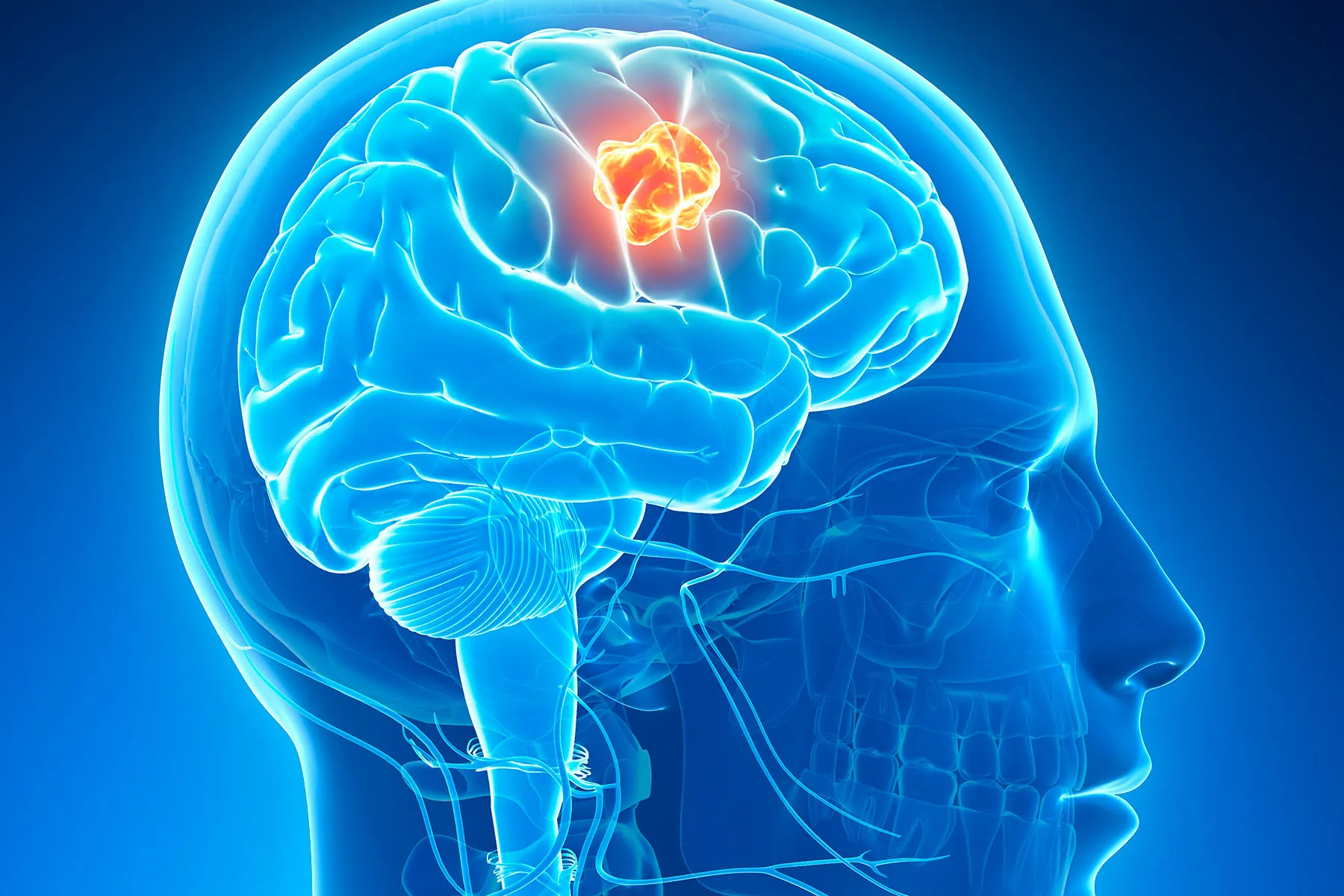
Brain Tumor
Best Brain Tumor Treatment Hospital in Delhi, India
Finding out that a brain tumor may be present is a moment that changes everything for a patient and their family. The medical terms, the uncertainty, the questions about what comes next, it's a lot to take in all at once.If you or someone you love is looking for the Best Brain Tumor Treatment Hospital in Delhi, India, this page will walk you through what brain tumor treatment involves and how Global Health Connect can help along the way.
A brain tumor is, put simply, a growth of abnormal cells inside the brain. And not every one is the same. Some are non cancerous and grow slowly, while others are cancerous and can grow faster or spread. The right treatment really comes down to a mix of things, the type of tumor, its size, where it's located in the brain, how it's behaving, and the patient's general health. This is why an accurate diagnosis always comes before any treatment decision.
What Is Brain Tumor Treatment
Brain tumor treatment is simply the medical care a patient receives once a tumor has been found in the brain. The goal is simply to handle it in whatever way suits that person best, sometimes that means removing it, sometimes shrinking it or slowing it down, and sometimes it's just about keeping a close watch on it over time.
A brain tumor diagnosis doesn't automatically mean cancer. Plenty of brain tumors are benign, meaning they aren't cancerous at all. Doctors take the time to study the tumor through scans, and sometimes tissue testing, before deciding on any next steps.
Who May Need Brain Tumor Treatment
Some people find out almost by chance, during a routine scan. Others notice symptoms first. Signs worth checking include:
Frequent or worsening headaches
Seizures
Changes in vision
Difficulty speaking
Weakness or numbness in arms or legs
Balance and coordination problems
Memory or concentration changes
Unexplained nausea or vomiting
Changes in behaviour or personality
These symptoms can come from other health issues too. The best way to be sure is to get it checked out by a neurologist or neurosurgeon.
Brain Tumor Diagnosis and Treatment Process
Every patient's case unfolds a little differently, but here's generally how it goes.
It typically begins with a visit to a neurologist or neurosurgeon.
From there, doctors look back at symptoms and medical history
A thorough neurological exam follows
An MRI or CT scan, if the doctor feels it's needed
Sometimes more imaging or lab work is added in
A biopsy or tissue testing, only when it's medically necessary
Working out the tumor's type, size and location
Sitting down as a team to plan treatment together
Surgery, if that turns out to be the right call
Radiation, if it's recommended
Chemotherapy or other medical treatment, if required
Support through rehab and recovery
Ongoing follow ups to keep monitoring things
Not everyone goes through all of this. A few patients just need close monitoring, while others need surgery, radiation, and medical therapy combined. What matters most is shaping the plan around that person — their diagnosis, symptoms, age, and general health.
Brain Tumor Treatment Options
Treatment varies from patient to patient, based on the diagnosis. It could include:
Surgery to take out or shrink the tumor
Radiation to keep its growth in check
Chemotherapy to slow down or stop cancerous cells
Medication to handle symptoms like swelling or seizures
Targeted therapy matched to the specific tumor type
Physiotherapy, speech therapy, or occupational therapy during recovery
Follow-up scans once treatment is finished
Nothing here gets prescribed automatically. Doctors only bring in what a particular case actually calls for.
Benefits of Timely Diagnosis and Treatment
Catching things early and starting the right treatment path at the right time can genuinely change how things turn out. Some of the benefits include
Early evaluation of neurological symptoms
Accurate diagnosis of the tumor type and behaviour
Treatment planning based on the tumor's specific characteristics
Access to neurosurgery, oncology and radiation specialists when required
Better management of symptoms that affect daily life
Structured rehabilitation support after treatment
Regular monitoring to track changes in the patient's condition over time
At the same time, patients and families should know that treatment duration, hospital stay, recovery time and follow up needs are different for everyone. No two brain tumor cases are exactly alike, and no responsible doctor or hospital can promise a cure, a specific recovery outcome or survival. What can be promised is careful, honest and attentive medical care throughout the journey.
Brain Tumor Treatment in Delhi and India
Patients searching for a Brain Tumor Treatment Hospital in Delhi or India usually look for the same things — experienced neurosurgeons, advanced diagnostic and radiation facilities, oncology support, and consistent follow-up care. Delhi has quite a few well-established hospitals with experienced teams, and it draws patients from across India as well as abroad for brain tumor care.
How Global Health Connect Supports You
We're not a hospital, and we don't handle any medical procedures ourselves. Our job is connecting patients with the right hospital and specialists across Delhi and other Indian cities. Here's what our support covers:
Going through medical reports
Finding the right hospital and specialist for each patient
Setting up appointments and sorting out admission formalities
Helping international patients navigate medical visa requirements
Sorting travel, accommodation, and local transport
Keeping in touch throughout treatment and afterward
Doctors alone make every diagnosis and treatment decision, based entirely on their medical judgment.
Get in Touch With Global Health Connect
If you or a loved one has been diagnosed with a brain tumor, you don't have to figure this out alone. Reach out to our team today to share your medical reports and discuss how we can support your treatment journey — from the first appointment through to recovery.