Joint replacement and spinal surgery by expert orthopedic specialists.
Please fill out the form below and we will get back to you as soon as possible.
Orthopedics & Joint Replacement
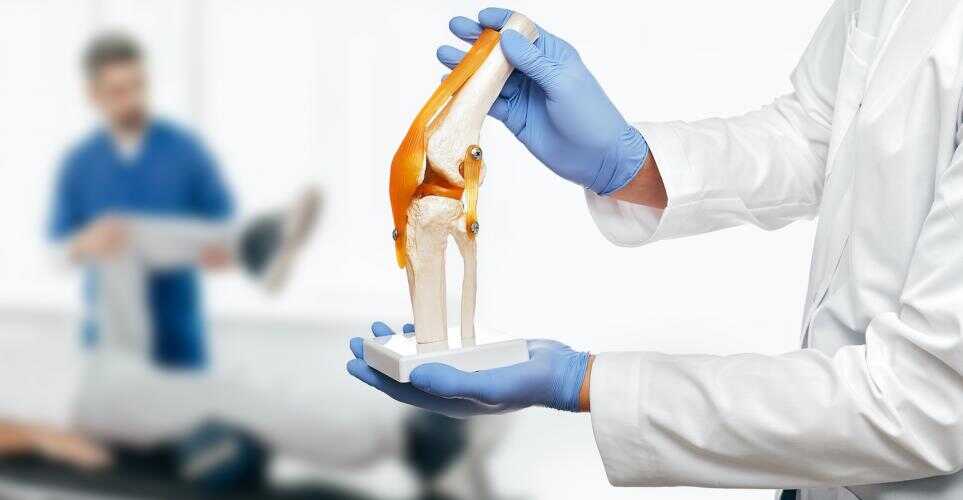
Orthopedics & Joint Replacement
Best Orthopedic & Joint Replacement Hospital in India
Global Health Connect helps patients in India and abroad find their way to the right orthopedic doctors and the right hospitals, and we're there with you at every point, from the first call you make to the day recovery is finally behind you.
Understanding Orthopedic Care and Joint Replacement
Orthopedics is basically about your bones, joints, muscles, ligaments and tendons, everything that keeps you moving through the day. A minor sprain? Give it a week of rest and it usually sorts itself out. But some joints, especially the knee, hip or shoulder, wear down so much over the years that they just can't do their job anymore. That's when joint replacement steps in, swapping the damaged part for an implant that works pretty much like your natural joint would. Every patient heals differently, but most end up with a lot less pain and much better movement than before.
There are plenty of reasons someone might need this kind of care. Arthritis is a big one, along with joint pain that just won't ease up. Torn ligaments from sports, fractures after a fall, ongoing spine trouble, cartilage wear, and even bone issues since childhood all come under this. Add in the wear and tear that age brings to joints, and it's not hard to see why so many people end up needing orthopedic treatment at some point.
Types of Orthopedic and Joint Replacement Treatments
Every case looks different, which is exactly why treatment plans aren't one size fits all. Depending on your situation, your specialist might suggest
Partial knee replacement, depending on how much of the joint has been affected
Hip replacement when the joint is too damaged or painful to work properly
Shoulder replacement for serious damage or pain that won't go away
Revision surgery to correct or swap out an older implant
Arthroscopy, a keyhole technique that means smaller cuts and a quicker bounce back
Treatment for fractures through casting, splinting or surgical fixation
Ligament reconstruction to fix torn tissue
Spine surgery when other options haven't worked
Physiotherapy, rehab and pain management
Non surgical treatment for patients who don't need an operation
How Treatment Is Planned and Performed
Surgery isn't the first step. It usually starts with your doctor going through your medical history and any past reports, followed by a physical check to understand what's really going on. Then come scans like X ray, MRI or CT, along with blood tests, to get the full picture. Once your specialist has everything they need, they'll walk you through what they've found and put together a plan that suits your case.
If surgery ends up being needed, the surgeon takes out the damaged part of the joint and puts in an implant made of metal, plastic or ceramic, one that's meant to move naturally and take the edge off everyday pain. Whether you go for a minimally invasive procedure or something more traditional really comes down to your age, your health, and how much damage there is. After that, there's usually a short hospital stay, physiotherapy, and regular check ins to see how you're healing.
Benefits Patients Usually Notice
Once the surgery and rehab phase are done, most patients notice genuine improvements, such as
Less pain in the joint than before
Better flexibility and range of motion
More stability while standing or walking
Greater independence day to day
An overall better quality of life
A slow but steady return to being active again
Every recovery plays out a bit differently, depending on age, overall health, the type of surgery, and how seriously rehab is taken.
When You Should Consider Seeing a Specialist
Not every joint problem means surgery is on the table, but a few signs are worth keeping an eye on. Pain that doesn't ease with rest or medicine, trouble standing or getting through stairs, joint pain that disturbs your sleep, swelling that won't calm down, or physiotherapy that hasn't made much of a difference. Only an orthopedic specialist can really say if surgery is the right step, so it's worth having that conversation with them directly.
Recovery After Treatment
Recovery typically starts with a short hospital stay, so doctors can keep watch and manage the pain. From there, physiotherapy becomes the main focus, gently helping you rebuild your strength and movement, with someone supporting you every step of the way. Follow up visits give your specialist a chance to adjust the plan as needed, and how quickly you heal comes down to the surgery you had, your age, your health, and how consistent you are with rehab.
Why India Is a Preferred Destination for Orthopedic Treatment
Skilled surgeons, well equipped hospitals, individualised treatment plans, and pricing that's noticeably friendlier than in many other countries have made India a go to destination for international patients. It's exactly why so many searching for the best orthopedic hospital in India or the best orthopedic hospital in Delhi land here.
How Global Health Connect Supports Patients
We're not a hospital, and surgery isn't something we perform ourselves. What we do is connect you with trusted specialists and the right joint replacement hospital in India or joint replacement hospital in Delhi , manage your appointments and paperwork, help with your medical visa, arrange your travel and stay, and remain available for follow up support once you're home. If joint pain has been holding you back, reach out today, let's find the right path forward together.
-
-
Trauma care and rehabilitation to restore mobility.
-
Personalized treatment plans to reduce pain and improve quality of life.
-
Modern diagnostic and lab facilities for accurate evaluation.
-
Friendly and helpful staff supporting patient care.
-
Clean, safe, and well-equipped surgical environment.