Gastroenterology consultations for various digestive disorders
Please fill out the form below and we will get back to you as soon as possible.
Gastroenterology
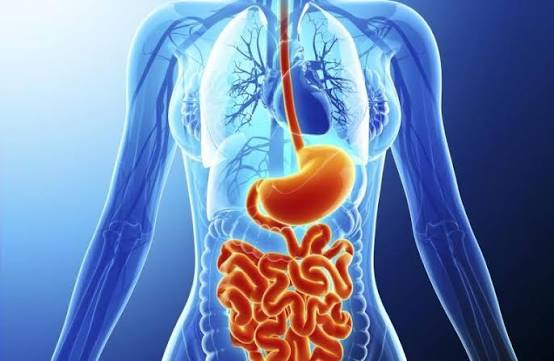
Gastroenterology
Best Gastroenterology Treatment Hospital In Delhi, India
Advanced Gastroenterology Treatment in Delhi, India
Global Health Connect assists patients in exploring hospitals for digestive and liver disorders. Digestive disease treatment in India may include medical consultations, diagnostic tests, medication, or specialised procedures, depending on the diagnosis and available hospital services.
What Does Gastroenterology Treatment Involve?
Gastroenterology deals with disorders of the digestive system, including the food pipe (oesophagus), stomach, intestines, liver, pancreas, and gallbladder.Treatment may involve medication, dietary and lifestyle modifications, endoscopic procedures, or referral to a surgical specialist when clinically indicated.
Treatment is planned according to the diagnosis, severity of the condition, medical history, and overall clinical findings.
Which Organs Fall Under Gastroenterology Care?
Gastroenterology commonly involves conditions affecting:
The stomach
The small and large intestines
The liver
The pancreas
The gallbladder
The oesophagus, or food pipe
These organs play different roles in digestion and other essential bodily functions Several digestive conditions can produce similar symptoms. Medical evaluation helps establish the likely cause and guide further investigation or treatment.
When Should Digestive Symptoms Be Evaluated?
Occasional digestive discomfort does not always indicate an underlying disease. However, persistent, recurring, or unexplained symptoms may need medical evaluation. These can include:
Recurrent abdominal pain or acidity
Difficulty swallowing
Persistent nausea or vomiting
Ongoing bloating or abdominal discomfort
Diarrhoea or constipation that lasts longer than expected or occurs frequently over time.
A qualified healthcare professional can assess these symptoms and determine whether further investigations or specialist consultation are appropriate. Severe abdominal pain, vomiting blood, or passing black, tarry stools may indicate a serious condition and require urgent medical assessment.
How Is Gastroenterology Treatment Planned?
The choice of investigations is guided by the patient's symptoms, medical history, and findings from the initial consultation.
Reviewing symptoms and medical history
Physical examination
Blood or stool tests, when indicated
Depending on the suspected digestive condition, a doctor may recommend abdominal ultrasound, computed tomography (CT), or magnetic resonance imaging (MRI).
Upper GI endoscopy or colonoscopy, when appropriate
Biopsy, if clinically necessary
Diagnosis and an individualised treatment plan
Medication, dietary changes, endoscopic intervention, or referral for surgery, depending on the condition
Follow-up consultations and monitoring, when needed
Not every patient requires all these investigations. After reviewing the patient's history and examination findings, the specialist determines which tests and treatment options may be appropriate.
Common Conditions Managed in Gastroenterology
Gastroenterology care may involve the assessment and management of conditions such as:
Acid reflux and gastroesophageal reflux disease (GERD)
Gastritis and peptic ulcers
Irritable bowel syndrome (IBS)
Crohn's disease and ulcerative colitis
Persistent constipation or diarrhoea
Gastrointestinal bleeding
Fatty liver disease and hepatitis
Gallstones and gallbladder disorders
Pancreatitis and other pancreatic disorders
Digestive tract infections and polyps
Evaluation of suspected gastrointestinal cancers
Treatment varies according to the underlying diagnosis and disease severity. Treatment may include medication, dietary or lifestyle changes, endoscopic procedures, or referral to another specialist, depending on the diagnosis.
Planning Digestive Disease Treatment in India
Digestive disorders can range from conditions managed with medication to those requiring specialised procedures or continued clinical supervision. Factors to review when selecting a hospital include the availability of qualified specialists, relevant diagnostic services, condition-specific treatment facilities, and assistance with appointment scheduling and medical coordination.
When evaluating a hospital, consider:
The relevant specialist's qualifications and experience
Availability of endoscopy and colonoscopy
Diagnostic imaging and laboratory facilities
Liver and pancreatic disease management services
Multidisciplinary care when required
Intensive care facilities for patients who may need them
Access to surgical specialists for conditions requiring an operation
International patient coordination services, where available
In advanced cases, liver cirrhosis treatment in India may focus on monitoring liver function, managing complications, and determining appropriate care based on the extent of liver damage.
Why Choose Delhi for Gastroenterology Care?
Delhi has multispecialty hospitals offering a range of diagnostic and treatment services. Hospital services may include specialist consultations, endoscopic procedures, diagnostic imaging, and referrals to other medical departments, depending on the facility's capabilities. Patients should confirm which facilities and services are available at their chosen hospital.Patients should therefore evaluate whether a facility can address their diagnosis and anticipated care requirements rather than choosing on location alone.
how we help international patients medical care in india
Global Health Connect is a medical tourism coordination service, not a hospital. It assists patients from India and abroad with the practical arrangements involved in accessing medical care.
Its support may include:
Reviewing medical reports and coordinating relevant consultations
Connecting patients with suitable hospitals and specialists
Scheduling appointments and coordinating medical records
Coordinating estimated treatment costs with hospitals
Assistance with medical visa documentation, travel planning, and accommodation arrangements for international patients, subject to the services provided.
Coordinating follow-up arrangements, where available
Medical evaluations and treatment decisions are made by the treating healthcare professionals. Global Health Connect assists with hospital coordination, appointments, and related arrangements to help patients navigate the process of accessing care.
Patients who need assistance comparing hospitals or coordinating a gastroenterology consultation can contact Global Health Connect to discuss their requirements.
Frequently Asked Questions
1. What conditions are managed by gastroenterologists?
Gastroenterologists evaluate and manage conditions affecting the digestive system, including acid reflux, gastritis, peptic ulcers, inflammatory bowel disease, liver disorders, pancreatitis, and gallbladder problems. The required care depends on the diagnosis and severity of the condition.
2. What tests may be used to assess digestive problems?
The doctor may recommend blood tests, imaging, endoscopy, or colonoscopy based on the patient's symptoms and the suspected digestive condition.
3. When may endoscopy be recommended?
Endoscopy may be advised to examine the digestive tract and investigate symptoms such as persistent abdominal discomfort, difficulty swallowing, or suspected gastrointestinal bleeding. The need for the procedure depends on the clinical assessment.
4. What factors affect liver cirrhosis treatment?
Treatment depends on the cause of cirrhosis, the extent of liver damage, and any complications. Care may include medicines, regular monitoring, and management of complications, as advised by the treating specialist.
5. How can I connect with Global Health Connect for gastroenterology care in India?
You may reach out to Global Health Connect to discuss your gastroenterology care requirements and explore suitable medical facilities in India. The service can assist with hospital selection, appointment coordination, and related arrangements, depending on your needs and the services available.
-
-
Diagnostic tests for gastroenterological conditions
-
Medical and procedural options for digestive diseases
-
Evaluation and care for liver and pancreatic disorders
-
Liver cirrhosis treatment and management of related complications
-
Hospital selection, specialist consultations, and medical appointment coordination