Please fill out the form below and we will get back to you as soon as possible.
Rehabilitation Support
Rehabilitation Support
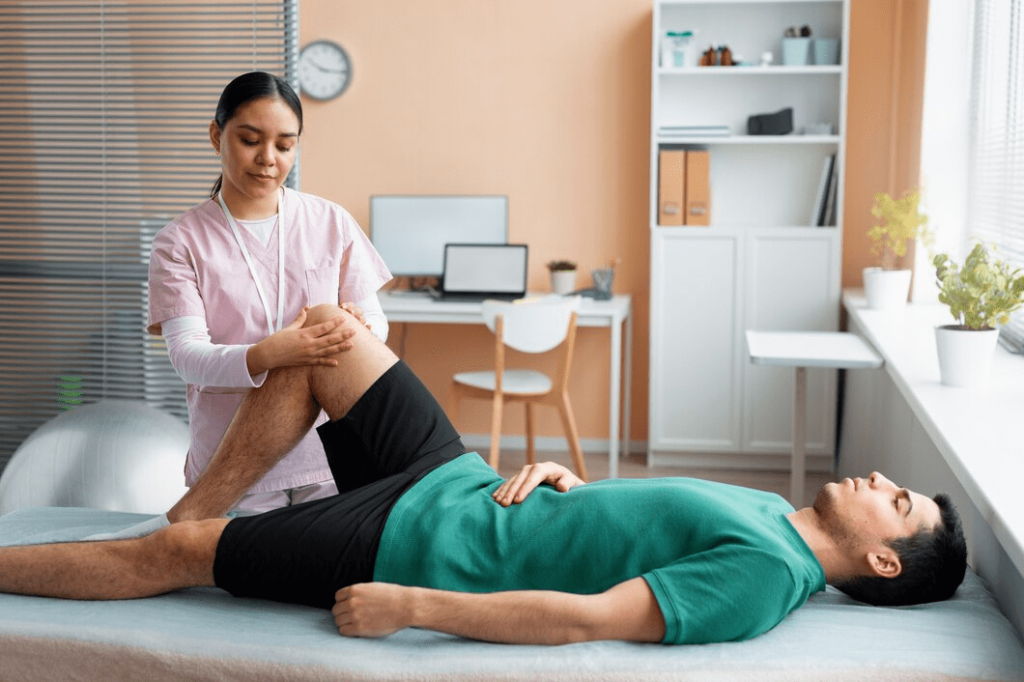
Rehabilitation Support is a dedicated healthcare service focused on helping patients regain strength, mobility, and independence after surgery, injury, or long-term illness. Recovery is a gradual process, and proper rehabilitation plays a vital role in restoring physical function and improving overall quality of life.
Our rehabilitation programs are designed based on each patient’s condition, medical history, and recovery goals. We coordinate with healthcare professionals to provide structured recovery plans that may include physiotherapy, occupational therapy, pain management support, and lifestyle guidance.
This service is especially beneficial for patients recovering from orthopedic surgeries, neurological conditions, cardiac procedures, strokes, injuries, or chronic illnesses that affect mobility and daily functioning. We focus on gradual improvement through safe and supervised recovery techniques.
Rehabilitation Support also includes progress monitoring, regular assessments, and adjustments to the recovery plan based on patient response. Our goal is to ensure steady improvement while minimizing the risk of complications or setbacks.
With personalized care and continuous support, we help patients rebuild confidence, restore physical abilities, and return to their normal lifestyle in a safe and structured manner.
What is included in Rehabilitation Support?
It includes physiotherapy, mobility training, recovery planning, pain management support, and progress monitoring.
Who needs rehabilitation services?
Patients recovering from surgery, injuries, stroke, or chronic conditions that affect movement and daily activities.
Is rehabilitation customized for each patient?
Yes, all rehabilitation plans are tailored based on the patient’s condition and recovery goals.
Can rehabilitation be done at home?
Yes, depending on the condition, home-based rehabilitation programs may be arranged.
How long does rehabilitation take?
The duration varies depending on the severity of the condition and the patient’s recovery progress.